
Why Casino Play Can Be Part of Light Digital Leisure
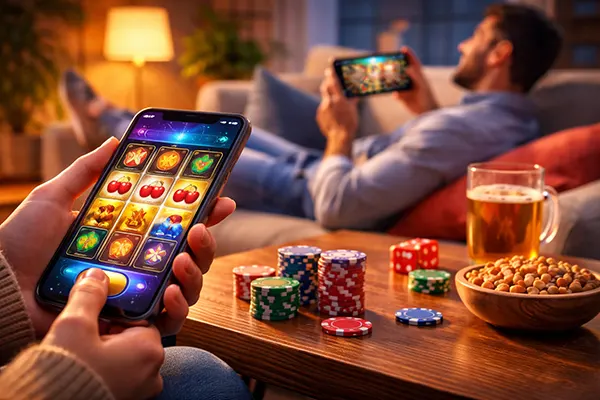
Casino entertainment has gradually shifted from being perceived as purely high-risk activity to something that, when approached carefully, can sit alongside other forms of casual digital leisure. In 2026, with stricter regulations, improved player protection tools, and more transparent game mechanics, users increasingly treat short gaming sessions as a way to relax rather than to chase outcomes. The key lies not in the games themselves, but in how they are used: duration, expectations, and personal discipline define whether the experience remains balanced.
The Role of Short Sessions in Modern Digital Habits
Short, structured gaming sessions are now a recognised part of how people interact with digital content. Just as someone might spend fifteen minutes scrolling through social media or watching short videos, a brief session on a slot or table game can serve a similar purpose. The difference is that casino games require a slightly higher level of attention, which can make them feel more engaging within a limited timeframe.
Modern online casinos in 2026 increasingly support this behaviour by offering tools such as session timers, deposit limits, and activity reminders. These features allow users to define boundaries before they start playing, which reduces the likelihood of extended or unplanned sessions. From a behavioural standpoint, this aligns casino use with other controlled leisure activities rather than impulsive habits.
Another important aspect is accessibility. Mobile optimisation has made it possible to play in short bursts during breaks or downtime. This convenience encourages players to treat casino games similarly to puzzle apps or casual games, focusing on entertainment rather than long-term engagement.
How Time Management Shapes the Experience
Time management is the central factor that determines whether casino play remains light and controlled. Players who set clear limits—such as a fixed 20-minute session—are far more likely to maintain a balanced approach. This mirrors strategies used in other digital activities, including productivity techniques like time-blocking.
In addition, many regulated operators now provide automated alerts that notify users when they have been active for a certain period. These reminders are not intrusive but serve as a subtle check, helping players reassess whether they want to continue or stop. This reflects a broader industry shift towards responsible design.
When time is managed effectively, the psychological impact of casino play changes. Instead of being associated with pressure or loss recovery, it becomes closer to a controlled form of stimulation—something that fits naturally into a broader routine of digital leisure.
Game Design and Its Influence on Relaxation
The design of modern casino games has evolved significantly, especially in terms of visual clarity and pacing. Developers now focus on creating experiences that are easy to understand and do not overwhelm the player. Clear interfaces, smooth animations, and predictable game flows contribute to a more relaxed environment.
Another factor is transparency. In 2026, return-to-player (RTP) values, volatility indicators, and detailed game rules are widely available and clearly displayed. This reduces uncertainty and allows players to make informed choices. When users understand how a game works, they are less likely to experience frustration or confusion.
Sound design and visual themes also play a role. Many games incorporate calm audio tracks, balanced colour schemes, and non-intrusive effects. These elements are similar to those used in mobile games designed for relaxation, reinforcing the idea that casino play can be part of a low-intensity digital experience.
Why Simplicity Matters in Casual Play
Simple mechanics are particularly important for maintaining a лёгкий формат досуга. Games that require minimal decision-making allow players to focus on the experience rather than on complex strategies. This is why classic slots and straightforward table formats remain popular.
At the same time, optional features—such as autoplay or quick rounds—enable users to customise the pace. These tools give players more control over how actively they want to engage, which is essential for keeping sessions aligned with their expectations.
Simplicity also reduces cognitive fatigue. After a long working day, users often prefer activities that do not demand constant attention. In this context, casino games can function similarly to other low-effort entertainment formats, provided they are used responsibly.

Psychological Boundaries and Responsible Use
The perception of casino play depends largely on the mindset of the user. When approached as a form of entertainment with predefined limits, it can coexist with other leisure activities without негативных последствий. The problem arises when expectations shift towards financial outcomes rather than enjoyment.
Regulation across Europe and the UK in 2026 has strengthened this distinction. Operators are required to provide clear information, self-exclusion options, and behavioural monitoring tools. These measures are designed to support players in maintaining control over their activity.
Education also plays a growing role. Many players now understand concepts such as variance, RTP, and bankroll management. This knowledge helps set realistic expectations and reduces эмоциональное напряжение during gameplay.
Maintaining Balance in Digital Entertainment
Balance is achieved through a combination of awareness and practical tools. Setting financial limits, tracking session time, and avoiding play during emotional stress are all strategies that contribute to a healthier relationship with casino games.
It is also important to integrate casino play into a broader mix of activities. When it is just one of many options—alongside reading, streaming, or social interaction—it is less likely to dominate attention or behaviour.
Ultimately, the defining factor is intent. If the goal is relaxation and light engagement, casino play can fit naturally into modern digital habits. When combined with responsible use and clear boundaries, it becomes another controlled form of entertainment rather than a source of risk.